
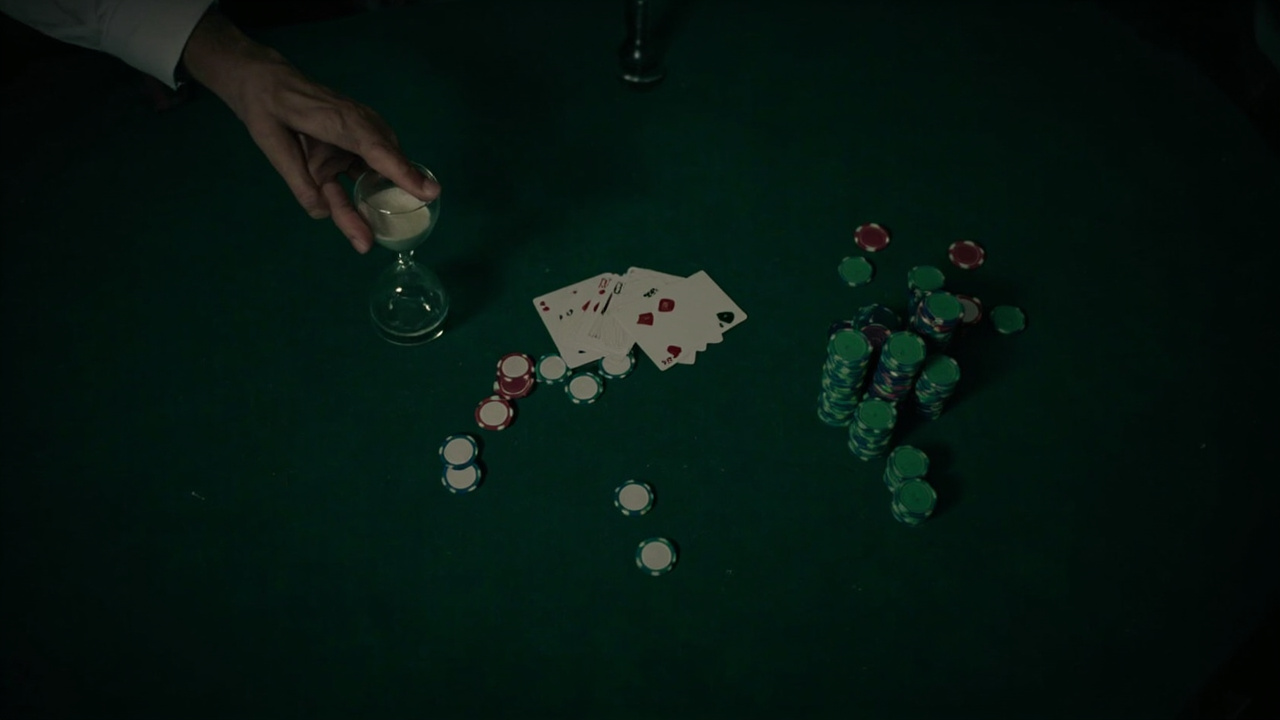
A long arvo at the tables can turn sour when the bankroll runs thin, so smart players set a hard ceiling before they even lock in a seat. We watched a regular grind through small-stakes sessions and saw how clear loss limits kept the evening enjoyable rather than stressful. The trick is picking a room that treats responsible play as part of the setup, not a footnote.
How the loss limit sits inside the account controls
The first thing a player notices is that loss limits are built into the account settings, not tucked behind a support ticket. You log in, open the responsible-play panel, and choose a daily or weekly cap that the system enforces automatically. That matters because a “low roller” or grinder who plays small stakes over long periods needs a ceiling that does not reset the moment the screen refreshes. We spoke with a compliance lead who runs insight-led campaigns for leisure brands, and she put it plainly: the best control is one you never have to negotiate with. She compared it to a media buy where you cap spend before the flight starts, because once the budget is gone the campaign is done. On a site that handles Australian dollars and honours that cap in real time, the limit is a boundary, not a suggestion. Players can still adjust it, but only after a cooling-off window, which keeps the whole setup from becoming a loophole.
| Control | What it does | Why it matters for a grinder |
|---|---|---|
| Daily loss limit | Stops play when the cap is hit | Keeps a long session from bleeding into the next day |
| Session timer | Flags time spent, not just money | Helps a busy as evening stay a social one |
| Deposit ceiling | Caps incoming funds before play | Prevents chasing a bad run with fresh cash |
What the room looks like when the limit is doing its job
A well-built interface shows the remaining buffer without nagging, so you can still read the table and make decisions. Cash out values are derived from live market prices, which means any payout or conversion reflects the market at that moment rather than a stale figure from last week. That is useful when you are playing a session that might stretch across a Darwin evening, because a sudden shift in the underlying rate can change what a win actually looks like in your account. The expert we spoke with noted that her team tests these displays the same way they test a digital campaign funnel, checking whether the number is clear before the player acts. She reckoned a cluttered readout is a conversion killer, and in this context it is a responsible-play risk too. When the limit is close, the screen signals it early enough to finish a hand or fold, rather than cutting you off mid-decision. That balance is what separates a gimmick from a tool you actually use.
Support, privacy and the licence behind the controls
The controls only work if the room is willing to stand behind them when something goes wrong. Look for a licence that is displayed plainly, security that covers your data, and support that can explain the cap without fobbing you off. Privacy matters here because a loss limit is personal, and the last thing you want is a setup that leaks your play history to anyone who asks. We checked how a couple of rooms handle this, and the ones that treat support as a product rather than a cost centre are the ones where the limit actually holds. One operator we reviewed keeps its Australian-facing support in local hours and writes its privacy terms in plain English, which is defo better than a wall of legal shorthand. Another point the expert raised: she has seen campaigns fail when the back-end data was sloppy, and the same logic applies here – if the limit and the ledger are not aligned, the player is the one who pays.
If you want to verify that the provider actually walks the talk, you should cross-check their credentials against independent reviews like those found on spinaud.com. This kind of external audit cuts through marketing fluff and shows whether the safeguards hold up when the pressure is on. Otherwise, you are just hoping that the fine print matches the reality of the service.
Mobile play and loyalty when the limit is already set
A lot of play happens on the phone, so the limit has to travel with you without turning the app into a lecture. The mobile view should show the same cap, the same timer, and the same way to cash out, with no hidden reset when you switch devices. Loyalty should reward steady play, not push you past the line you set earlier. A sensible program gives points for time on the floor and small, predictable perks, rather than dangling a bonus that asks you to override your own ceiling. We saw a setup where the loyalty tier nudged you toward a free drink voucher or a late-night shuttle, which fits a Darwin crowd more than a flashy multiplier that quietly asks for another deposit. The expert compared it to an events activation where the reward matches the audience, not the other way around. When the limit and the loyalty work together, the session stays a session, and the night stays yours.
Win while setting loss limits works best when the room treats it as part of the product, not a compliance checkbox. Pick a place with clear controls, honest support, and a mobile view that respects the cap you set. Then play the session you planned, not the one the interface tries to sell you.