
Classic Slots Progressive Jackpot Slots: The Real Payout Picture For Australian Players
While classic reels offer steady wins, progressive jackpots provide the life-changing payouts that many Australians chase. To make the most of your bankroll, it is wise to compare welcome offers and wagering requirements before committing your funds. You can explore current promotions and verify eligibility by visiting the playcroco bonus no deposit page at https://playcrocobonuscodes.com/.
Back when I was running pre-opening sets across three new resort floors in the region, I learned very quickly that a progressive meter only looks impressive when the underlying base game actually holds a player’s attention. Classic slots progressive jackpot slots sit in exactly that space, mixing familiar reel layouts with pooled prize builds that climb without warning. On paper they sound straightforward, but the practical details around bet sizing, trigger frequency, and session pacing matter a lot more than the headline number on the screen. If you’re weighing them up from a Brisbane weekend session to a late arvo at a local venue, it helps to know what you’re actually buying into before you spin.
What Makes This Setup Worth a Look
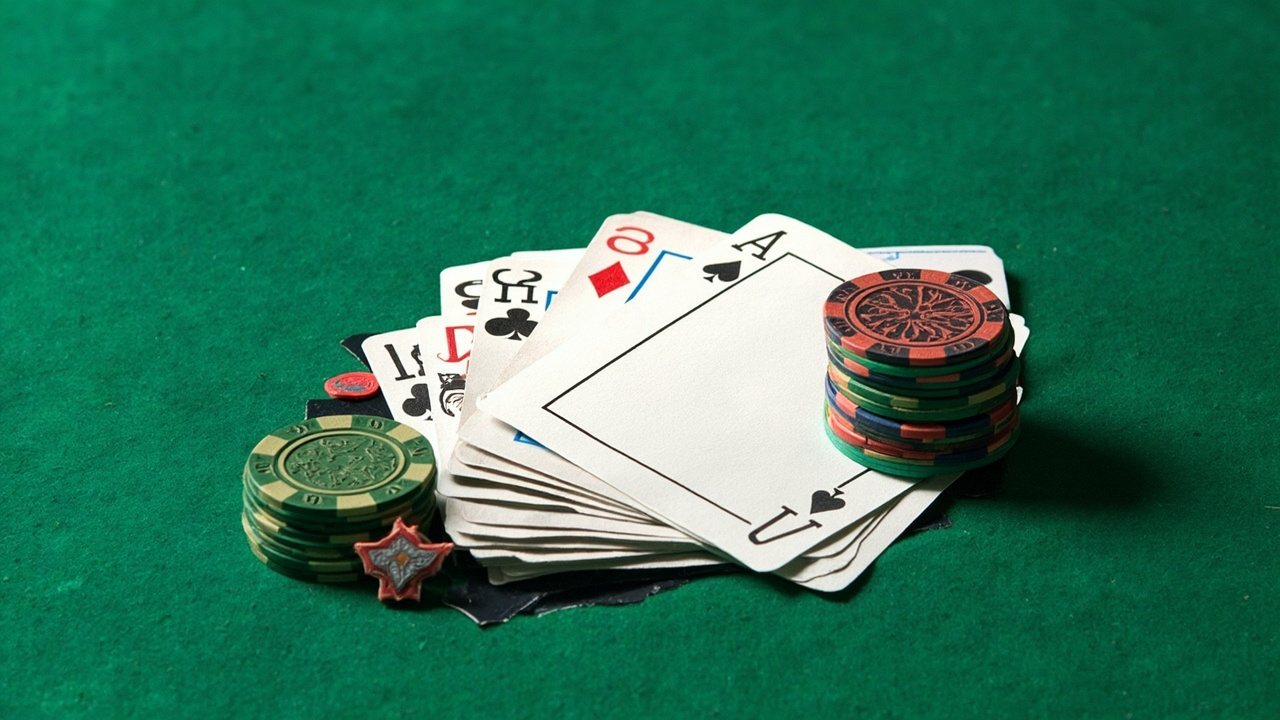
The core identity here is simple: you get the familiar pull of three-reel or classic-style presentations, paired with a jackpot component that grows across a network or within a defined game pool. That combination gives the product its own rhythm, because the base game keeps things readable while the progressive side adds a separate prize layer that doesn’t depend on ordinary line wins alone. In my experience, that split matters on busy nights when players want something easy to read but still want a shot at a bigger result without switching to a completely different machine style.Progressive Slots Dan Pilihan Pembayaran Di
A few traits separate this category from the wider floor. First, the top prize usually builds from a small percentage of each wager, so the meter can climb steadily without requiring constant attention from the player. Second, the trigger conditions vary more than most people expect, ranging from random features to specific symbol combinations or bonus entry events. Third, the everyday usability tends to stay clean, because the paytable and jackpot display are usually front and centre rather than buried in layers of menus. That makes it easier to glance at the state of play between spins, which is useful when you’re comparing machines or deciding whether to stay on one game for another stretch.
There are limits you should keep in mind from the start. The jackpot can look enormous on the display, but the odds of hitting it are shaped by the game design and the size of the pool, not by how long you sit there. The base game still needs to be entertaining enough to justify the session, because a progressive feature that rarely triggers can feel slow if the regular spins don’t carry their own appeal. And when you’re comparing options on a site or at a venue, it’s worth checking whether the jackpot is local to one title, shared across a small group, or tied to a wider network, because that affects both the pace of growth and the likelihood of a hit over time.
For players who want a little extra context on how progressive payouts can be structured in different styles, there’s a useful read on progressive slots cluster pays that breaks down another angle on how prize builds can work.
| Feature | What to expect | Why it matters |
|---|---|---|
| Jackpot build | Grows from a share of wagers over time | Big display numbers don’t tell the whole story |
| Trigger style | Random, bonus entry, or specific symbol paths | Affects how often the top prize is actually reachable |
| Base game appeal | Classic-style reels with straightforward pays | Keeps the session readable between jackpot moments |
| Display clarity | Jackpot meter and paytable usually visible | Easier to track state of play at a glance |
The Trade-offs You Should Weigh Before Playing
How the jackpot actually grows
The first thing I’d flag is the growth model, because it shapes the whole experience. In a well-built setup, each wager feeds a small slice into the jackpot pool, which means the top prize can rise steadily across a busy period. That sounds simple, but the practical effect depends on how many players are contributing and how often the game is played, so the same meter can move at different speeds on different sessions. It’s also worth remembering that a larger displayed total doesn’t automatically mean redbaronslotau.com a better chance of landing it, because the underlying trigger logic is what really governs the outcome.
From a player’s point of view, the sensible move is to treat the jackpot as one part of the game rather than the whole reason to play. If the base game is enjoyable and the bet level suits your session, the progressive element becomes a bonus layer instead of a pressure point. If the meter is huge but the game around it feels flat, you can end up watching a number climb without much else to hold your interest. That’s the kind of trade-off I’ve seen on floors where the flashy prize gets the attention, but the ordinary spins are what actually decide whether someone stays for another round or walks off.
Where the limits show up
The second part of the picture is the limits, because every progressive setup has them, even when the marketing makes it sound open-ended. Some titles only enter the jackpot feature through a specific bonus event, while others can award it more randomly, and those differences affect how predictable the session feels. A game that requires a rare combination can be exciting precisely because it’s uncommon, but it can also feel stretched if the ordinary play doesn’t carry enough interest on its own. A more frequent trigger can feel friendlier, though it may come with a smaller top prize or a different pool structure.
There’s also the practical side of pacing and bankroll. Progressive play can encourage people to stay longer because the prize is visible and climbing, but that same visibility can make a losing stretch feel more intense. I’ve always thought it’s better to decide your session size first and then treat the jackpot as a possible extra, not the target that drives every bet. That mindset suits the category well, because classic slots progressive jackpot slots are at their best when the game is easy to follow, the prize is clear, and the player knows exactly what they’re in for before they start.
How This Fits the Way Australians Actually Play
For a lot of Australian players, the appeal is less about chasing a life-changing number in one sitting and more about having a game that feels familiar, readable, and worth a proper go. Classic slots progressive jackpot slots fit that mood because the presentation is usually easy to read, the jackpot is visible, and the session doesn’t demand a lot of setup or explanation. That’s useful whether you’re at a local venue, taking a break during a long weekend, or just wanting something straightforward after a busy day.
I’ve seen this category work well when it’s treated as a measured session rather than a full-on chase. If you’re the sort of player who likes a clear paytable, a visible jackpot meter, and a game that doesn’t feel over-engineered, this can be a comfortable fit. If you want constant action and fast-changing outcomes, the slower-building side of some progressives may feel less engaging. Either way, the best approach is to match the game to the kind of session you actually want, because the jackpot should complement the experience rather than carry it entirely.
When you’re looking at options and want to check what’s available before you commit to a session, it can help to start from a clear entry point like playcroco bonus no deposit so you can see the range on offer without having to work through everything blind.
A few practical habits tend to make these sessions cleaner:
- Check the jackpot type and trigger style before you start
- Pick a bet level that suits the session you want, not just the display number
- Treat the progressive prize as a possible extra, not the main plan
- Keep the session length in mind before you sit down
Verdict
Classic slots progressive jackpot slots make the most sense when you want a familiar game with a visible prize build and a clear, uncomplicated presentation. They’re not a shortcut to a big win, and the jackpot should be treated as part of the game rather than the whole story. For players who value readability, steady session pacing, and a prize layer that adds interest without overcomplicating the spin, this category has a solid place. If you go in knowing how the pool grows, what triggers the top prize, and what kind of session you actually want, you’ll be in a much better position to enjoy it for what it is.